
Sourdough vs Commercial Yeast: Which Detroit-Style Pizza Game are You Playing?
Last updated on July 30, 2025
When you bite into a slice of Detroit-style pizza at your favorite restaurant, chances are you’re tasting dough made with commercial yeast. It’s the industry standard for good reason, but that doesn’t mean it’s the only way, or necessarily the best way, to make this iconic square pie at home.
Quick Comparison: Commercial Yeast vs Sourdough for DSP
| Aspect | Commercial Yeast | Sourdough |
|---|---|---|
| Timeline | Same-day pizza possible (4-8 hours) | 2+ days minimum (up to 2 weeks if starting from scratch) |
| Predictability | Highly predictable results | Variable, affected by temperature, humidity, elevation |
| Flavor Profile | Clean, neutral—lets toppings shine | Complex, tangy, adjustable depth |
| Learning Curve | Beginner-friendly | Steep learning curve, requires starter maintenance |
| Planning Required | Minimal | Significant advance planning needed |
| Consistency | Very consistent batch to batch | Can vary unexpectedly |
| Maintenance | None—just buy more yeast | Daily starter feeding and care |
| Cost | Low ongoing cost | Higher time investment, minimal ingredient cost |
| Restaurant Standard | Industry standard | Rare in commercial settings |
| Best For | Beginners, consistent results, quick pizza nights | Experienced bakers, flavor enthusiasts, artisan approach |
Why Restaurants Stick with Commercial Yeast
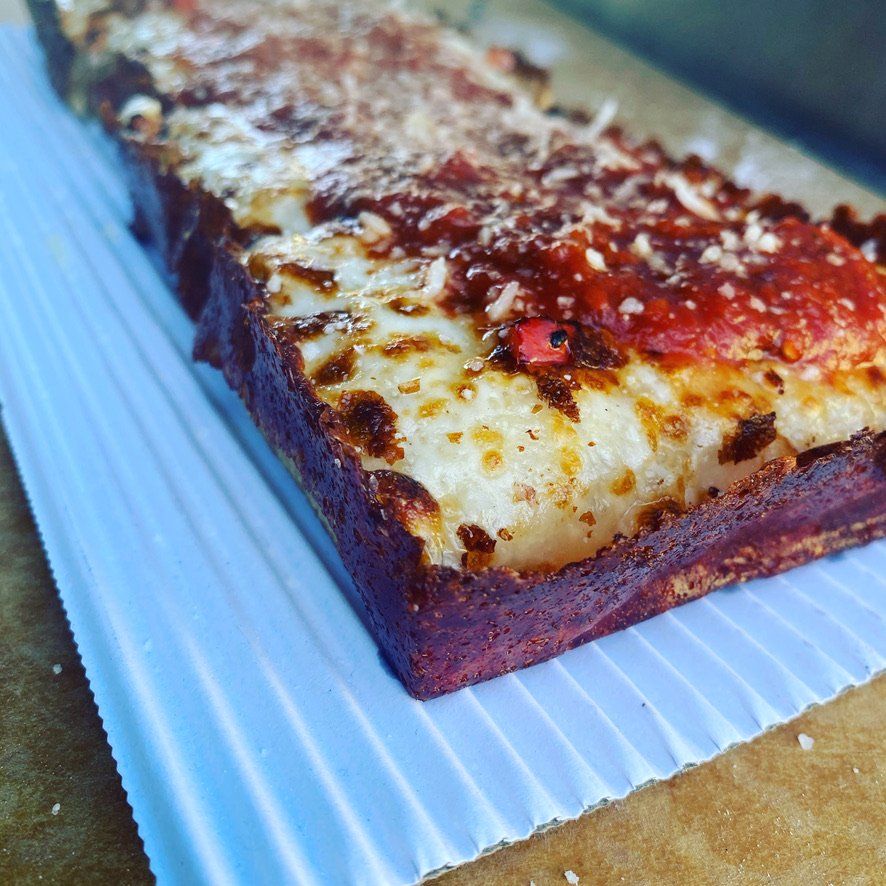
Walk into any pizzeria kitchen, and you’ll find commercial yeast as the go-to leavening agent. The reasons are purely practical: commercial yeast is predictable, reliable, and fast. Restaurant operations depend on consistency and timing, and commercial yeast delivers both without fail. You can predict exactly how your dough will behave, when it will be ready, and what the final texture will be like. For a busy kitchen turning out hundreds of pizzas, this reliability is invaluable.
Beyond predictability, commercial yeast offers speed that sourdough simply cannot match. You can mix your dough in the morning and have serviceable pizza dough ready by evening—a timeline that works perfectly for both restaurants and busy home cooks. Some argue that commercial yeast’s neutral flavor profile is actually an advantage, allowing the sauce, cheese, and toppings to take center stage without competing flavors from the dough itself.
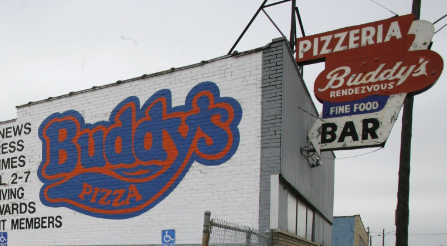
This means that most Detroit-style pizza you’ve eaten, whether from famous joints like Buddy’s, Jets, or your local spot—has been made with commercial yeast. It’s become the baseline flavor profile that most people associate with authentic Detroit-style pizza.
The Sourdough Alternative: More Flavor, More Challenge
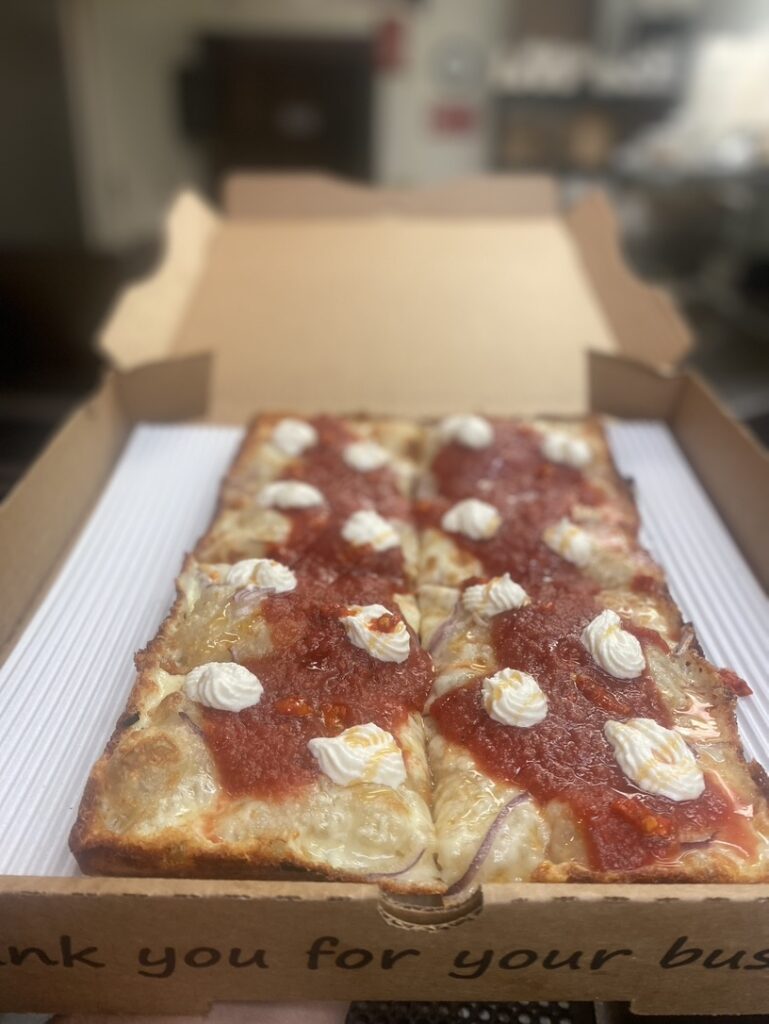
Sourdough brings something different to the table: complexity. Where commercial yeast provides a clean, neutral foundation, sourdough starter introduces a subtle tanginess that adds depth to every bite. This isn’t the aggressive sourness you might expect when properly balanced, sourdough creates a nuanced flavor that enhances rather than overwhelms the sauce and cheese.
Here’s the thing about Detroit-style pizza: it’s fundamentally a bread-forward pizza style. With its thick, focaccia-like base, the dough can potentially act as a flavor enhancer itself, not just serve as a vehicle for toppings. So why not make that bread shine with as much flavor as possible?
The beauty of sourdough lies in its adjustability. Want just a hint of tang? Use a smaller percentage of starter in your dough. Prefer a more pronounced sourdough character? Increase the ratio. You have control over the flavor intensity in a way that commercial yeast simply can’t provide.
The Learning Curve Reality
Let’s be honest: sourdough is more challenging. Where commercial yeast pizza dough might take you a few attempts to master, sourdough pizza dough requires developing an entirely new skill set. You’re not just learning to make pizza dough, you’re learning to maintain a living culture.
Building and maintaining sourdough starter is a skill unto itself. You need to understand feeding schedules, recognize when your starter is at peak activity, and learn how environmental factors like temperature and humidity affect fermentation timing. Your starter becomes another ingredient that requires attention and care, not just something you measure out of a package.
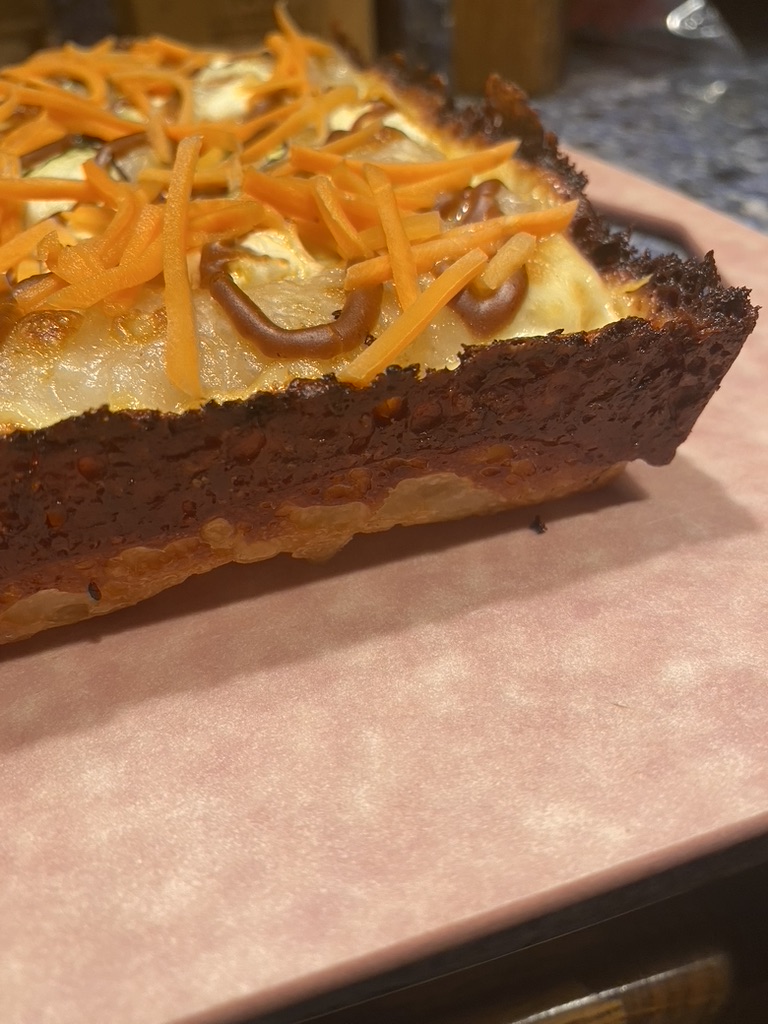
The process also adds significant time and planning to your pizza-making routine. While commercial yeast dough can go from mixing to pizza in a matter of hours, sourdough demands patience. If you’re starting from scratch without an active starter, you’re looking at up to two weeks of preparation before you can even make your first pizza.
Even with an established starter, sourdough remains unpredictable in ways that can perplex even experienced bakers. Humidity, temperature, elevation, and factors we don’t fully understand can all affect fermentation. You might wake up to find your starter rose 50% less than it did the night before, for no apparent reason. This unpredictability becomes part of the sourdough journey. It can sometimes be frustrating, but ultimately part of what makes it rewarding.
If you’re new to both sourdough and Detroit-style pizza, starting with commercial yeast is probably the wisest approach if your goal is to start making edible pizzas as soon as possible. Master the fundamentals of Detroit-style technique first, then add the complexity of sourdough once you’re comfortable with the basics.
The Payoff: Superior Flavor and Texture
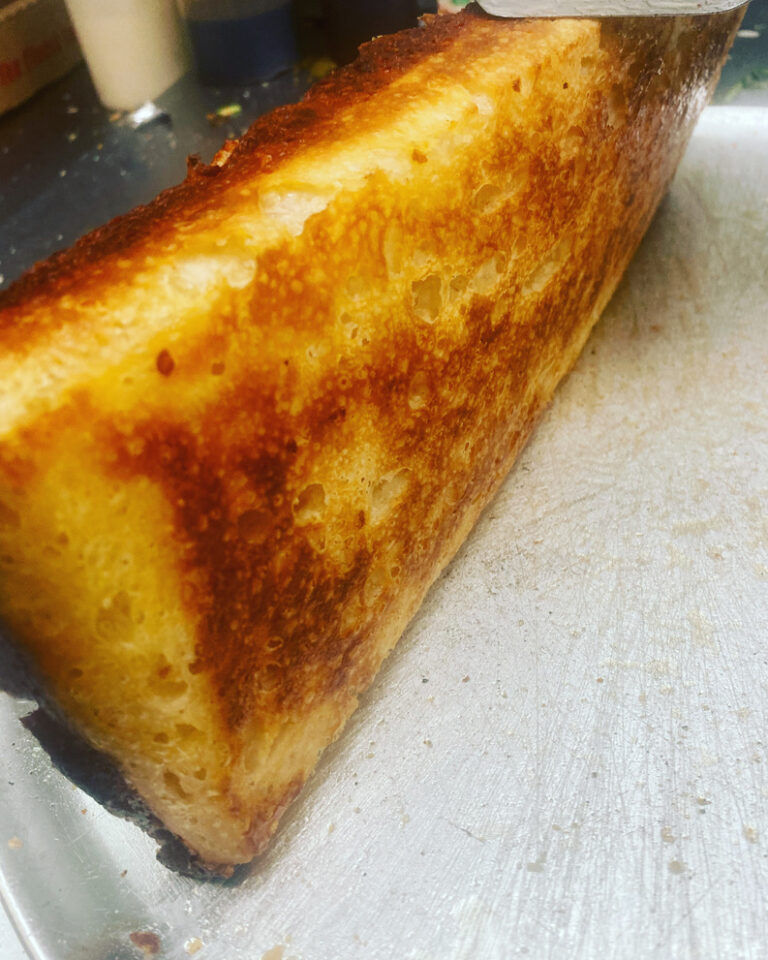
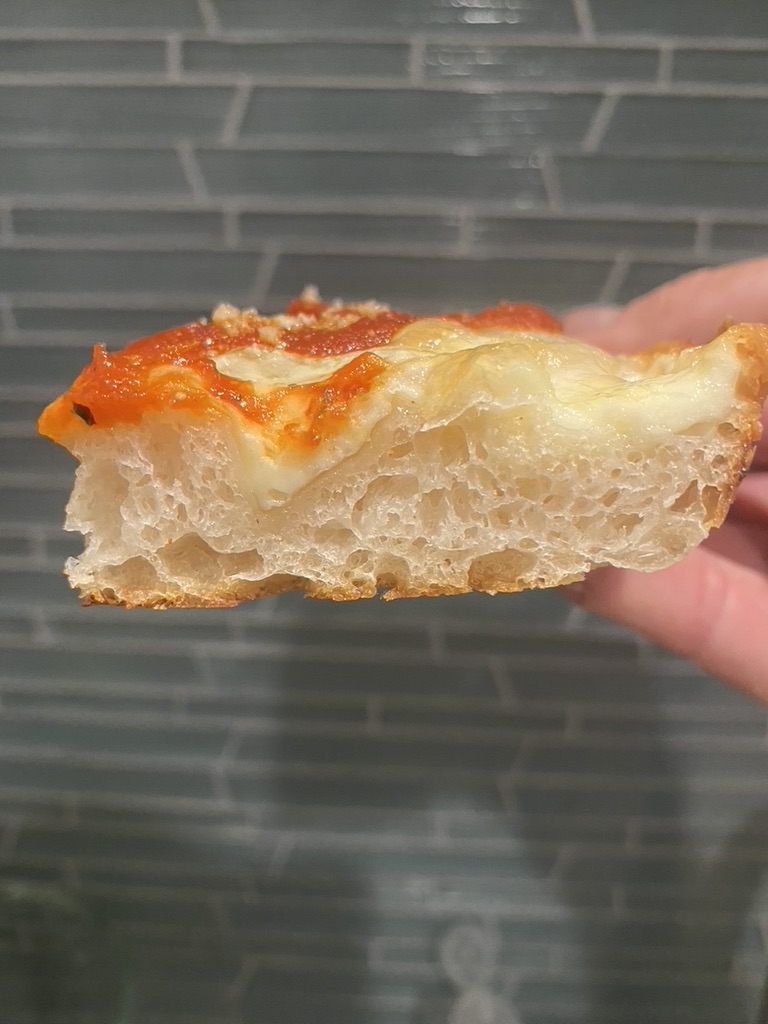
Once you develop proficiency with sourdough, the results speak for themselves. Sourdough Detroit-style pizza develops a more complex flavor profile that evolves as you chew. The crust achieves a different kind of chewiness, still substantial enough to support Detroit-style’s thick layer of toppings, but with a more interesting texture that has subtle variations throughout.
The fermentation process that creates sourdough’s characteristic tang also breaks down proteins and starches in ways that make the dough more digestible for many people. The longer, slower fermentation develops flavors that simply can’t be rushed with commercial yeast.
Making Your Choice
If you’re new to pizza making or value consistency and convenience, commercial yeast provides an excellent foundation for learning Detroit-style pizza fundamentals. You can focus on mastering sauce balance, cheese distribution, and baking techniques without the added complexity of sourdough management.
But if you’re ready for a challenge and want to create something truly distinctive, sourdough offers a path to pizza that stands apart from what you’ll find in restaurants. The investment in time and learning pays dividends in flavor complexity that commercial yeast simply cannot match.
The choice ultimately comes down to your priorities: predictable results and convenience, or the deeper satisfaction of mastering a more complex but ultimately more rewarding technique. Either way, you’ll be making great Detroit-style pizza. The question is whether you want to take the extra step toward making exceptional Detroit-style pizza.